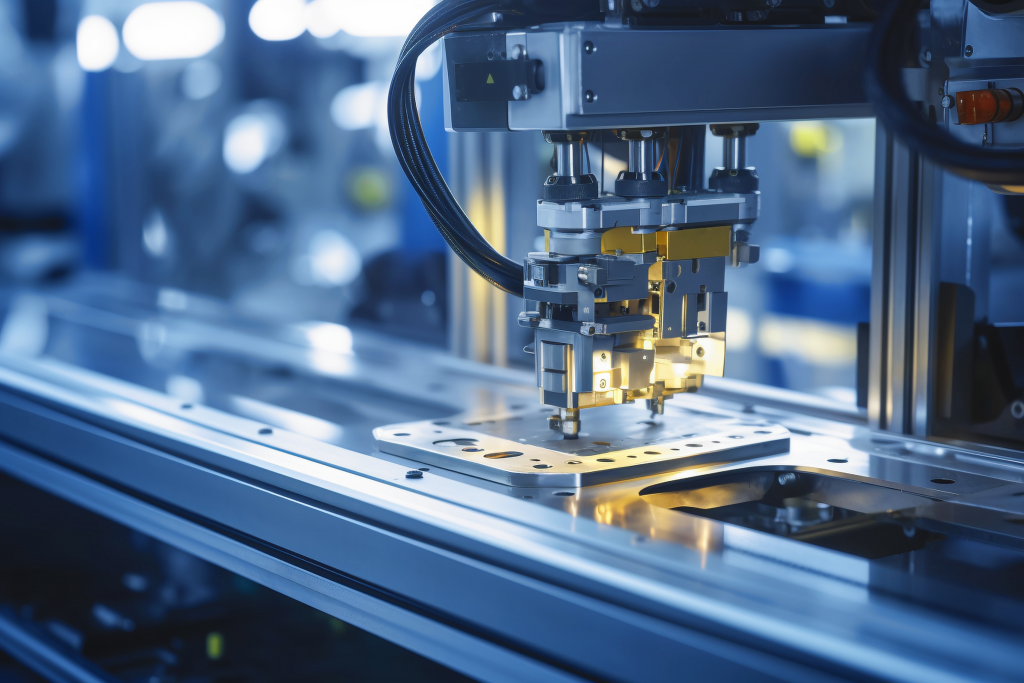
Shenzhen ZeYu Intelligent Industrial Co., Ltd.: Technical White Paper on Fully Automatic Twisted Pin Assembly System
1. Introduction: Solving the Core Bottleneck in Precisi […]
1. Introduction: Solving the Core Bottleneck in Precisi […]
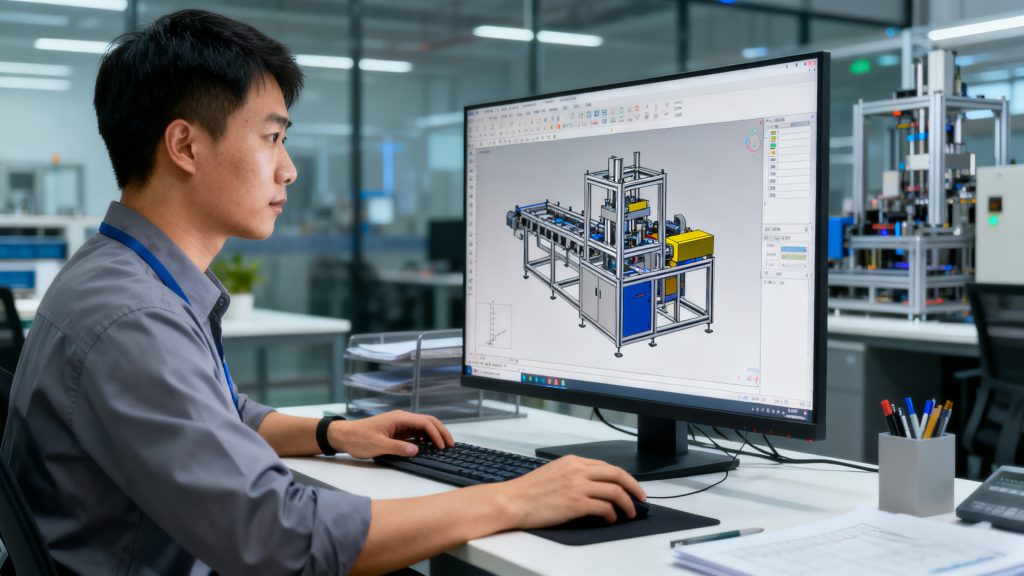
The design process for non-standard automation systems follows a structured, client-focused approach to deliver tailored solutions. It begins with comprehensive information collection and requirement analysis to fully understand the existing production environment and client objectives. This foundation supports the development and iterative confirmation of a feasible technical solution. Subsequent stages involve precise component selection, parameter verification against capacity targets, and detailed routine design encompassing mechanical, electrical, and software elements. The process emphasizes rigorous internal review and client confirmation before advancing to manufacturing and assembly. Final validation is achieved through on-site installation, debugging, and testing to ensure all specifications are met. Throughout the project, tasks are adapted as needed while adhering to strict work standards to ensure reliability and success.
Main Tasks in “Non-Standard Automation” Design Work Read More »
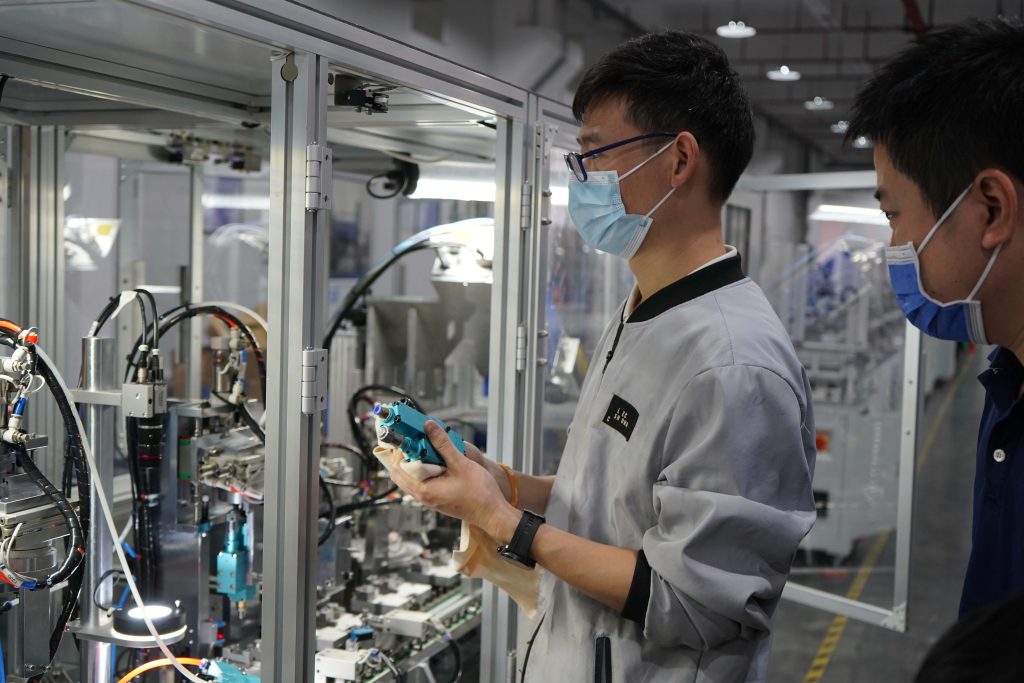
With the rapid development of industry, the demand for custom automated equipment continues to grow. These specialized systems have become critical auxiliary equipment across various sectors. Below are the standardized procedures for custom automation equipment development
13 Steps for Custom Automated Equipment Design & Manufacturing Read More »